Legal Blog

The “Practice Drift” of Labor Induction: Why the ARRIVE Trial is Moving Beyond 39 Weeks

If you’ve been following birth trends, you’ve likely heard of the ARRIVE trial. While this landmark study provided evidence for elective inductions at 39 weeks, recent data suggests that medical practices are “drifting” into much earlier territory, specifically the 37- and 38-week mark, without the same level of evidentiary support as elective induction at 39 weeks. In this post, we’ll

Read More »

Brachial Plexus Injury: What you Need to Know

In approximately one to three out of a thousand births, a baby suffers a brachial plexus injury. These injuries can result in monetary loss and lifelong difficulties for both children and their caregivers. As a caregiver, it can be terrifying to think something has harmed your child. Know how to recognize the signs of brachial plexus injury. Know how it

Read More »

Cerebral Palsy Due To Birth Injury

Cerebral Palsy (CP) is a permanent disability arising from abnormal development of the brain, or damage to the developing brain before, during, or following birth. The word cerebral refers to “of the brain,” and palsy means paralysis.  It is one of the most debilitating congenital disabilities, offering no cure and a significant impact on the lives of those affected. CP

Read More »

Shoulder Dystocia Injuries: Know Your Rights and Options

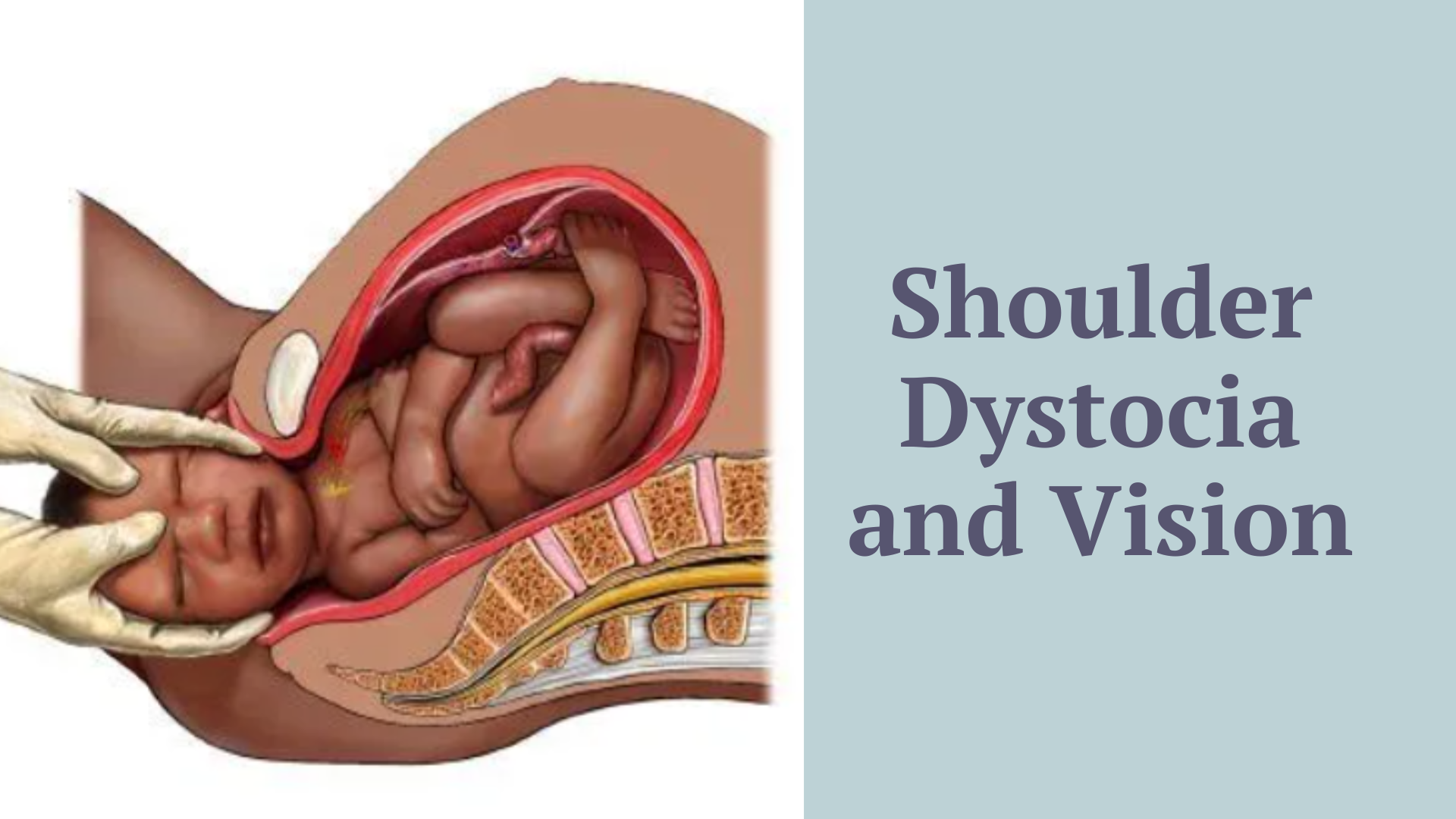
Shoulder Dystocia is a complication that can present itself in the delivery room. If shoulder dystocia occurs during delivery, there are a number of maneuvers that can and should be used in order to deliver the baby without injury. In the absence of a proper response by the obstetrician or nurse midwife to relieve the shoulder dystocia, it is well

Read More »

The “Practice Drift” of Labor Induction: Why the ARRIVE Trial is Moving Beyond 39 Weeks

If you’ve been following birth trends, you’ve likely heard of the ARRIVE trial. While this landmark study provided evidence for elective inductions at 39 weeks, recent data suggests that medical practices are “drifting” into much earlier territory, specifically the 37- and 38-week mark, without the same level of evidentiary support as elective induction at 39 weeks. In this post, we’ll

Read More »

Brachial Plexus Injury: What you Need to Know

In approximately one to three out of a thousand births, a baby suffers a brachial plexus injury. These injuries can result in monetary loss and lifelong difficulties for both children and their caregivers. As a caregiver, it can be terrifying to think something has harmed your child. Know how to recognize the signs of brachial plexus injury. Know how it

Read More »

Cerebral Palsy Due To Birth Injury

Cerebral Palsy (CP) is a permanent disability arising from abnormal development of the brain, or damage to the developing brain before, during, or following birth. The word cerebral refers to “of the brain,” and palsy means paralysis.  It is one of the most debilitating congenital disabilities, offering no cure and a significant impact on the lives of those affected. CP

Read More »

Shoulder Dystocia Injuries: Know Your Rights and Options

Shoulder Dystocia is a complication that can present itself in the delivery room. If shoulder dystocia occurs during delivery, there are a number of maneuvers that can and should be used in order to deliver the baby without injury. In the absence of a proper response by the obstetrician or nurse midwife to relieve the shoulder dystocia, it is well

Read More »

What Our Clients Have To Say...