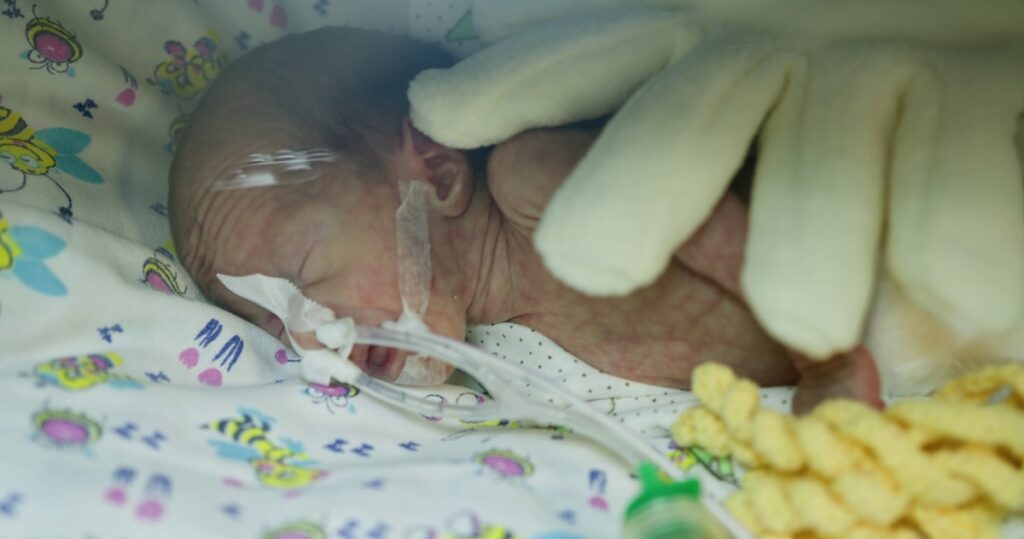

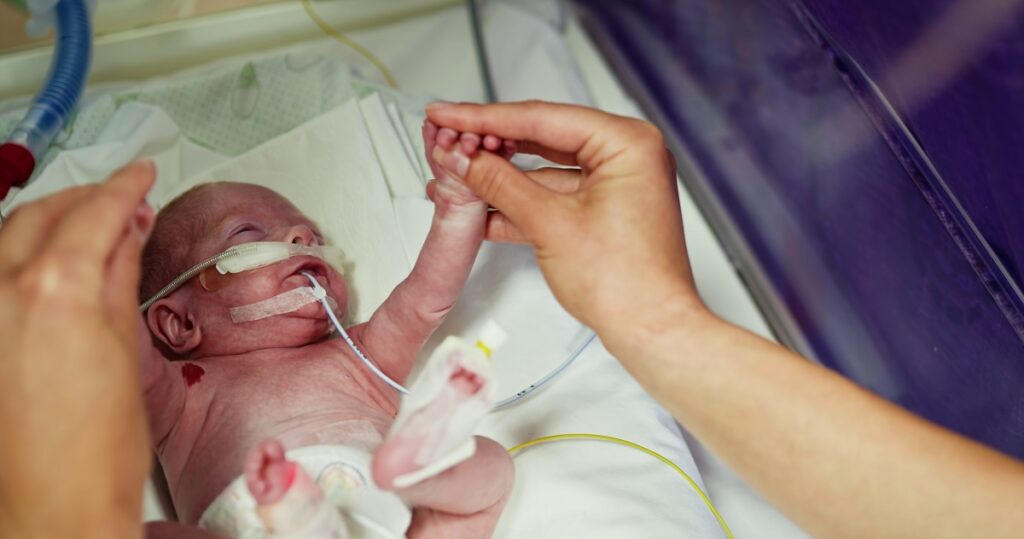

If your baby has been diagnosed with hypoxic ischemic encephalopathy, the terminology alone can feel overwhelming. This page explains HIE in clear, parent-friendly language, including what it is, how it is treated, and what families may notice as their child grows.
After an HIE diagnosis, most parents ask the same question: “How did this happen?”
HIE describes a brain injury, but not its cause. This page explains the most common medical events before and during birth that can lead to hypoxic ischemic encephalopathy.
One of the hardest questions parents face after an HIE diagnosis is whether the injury could have been avoided.
This page focuses on understanding. It explains how earlier recognition of warning signs, timely medical intervention, or adherence to proper labor and delivery standards may reduce the risk of HIE. For many families, this clarity is an important step in deciding what to do next.
Many parents wonder whether earlier action could have changed the outcome.
Delays in performing an emergency or medically necessary C-section are one of the most common concerns raised after an HIE diagnosis. This page explains how delayed intervention during labor may increase the risk of oxygen deprivation and why reviewing what happened matters.
Free Case Evaluations
Get Directions